Three orders went through our desk in the second half of 2026 that looked nothing alike. One was a single trial pail. One was an annual order that replaced buying drums off a local shelf. One was a machine switched off a wearing mineral oil onto ours. The buying questions behind them were different each time, and the numbers that settled each question are on the record in our case files.
This page takes the three in order, with what the buyer was actually deciding at each step.
| Order | What the buyer was deciding | What settled it |
|---|---|---|
| Trial pail of Hanbell HBR-B01 | Whether a small enquiry gets a usable answer | A quotation that could be acted on, and the documents arriving with it |
| Annual BITZER BSE170 order, delivered CIF | Whether the local shelf really was cheaper | The landed figure, not the ex-works one |
| Compressor switched to QISHANR 5GS | Whether an unbranded oil would hold up in service | Two months of meter readings and a steady oil gauge |
None of the three began with a brand name and a quantity. The BITZER order started with a plant sending its compressor list before anyone quoted a figure: four CSH.5 screws running R134a, plus a CSH8593-140Y held as standby. The trial order named HBR-B01 against a HANBELL machine. The retrofit named the OEM grade the nameplate called for, an ISO VG 100 mineral oil in a BITZER CSH screw.
A grade confirmed against the machine can be written into a quotation. A grade guessed from a brand name cannot, and the difference surfaces later as a drum nobody can use.
The smallest order carried the most doubt, and the buyer said so plainly: they were worried that suppliers ignore small buyers.
What they reported afterwards was a fast reply, a quotation they described as clear and reasonable, every required certificate and the COA issued promptly, oil that met their requirement, and full service support at trial volume. They closed by saying they would place repeat orders. The full note is on the trial order case page.
A trial order is small in money and large in information. It is the cheapest way to find out how a supplier behaves, and what it tests is narrow enough to list.
| What the quotation must carry | What it lets the buyer do |
|---|---|
| Grade, named against the machine | Check the oil is the right one before paying |
| Pack size | Compare against the pack they already handle |
| Quantity and price basis | Compare like with like against another quote |
| Lead time | Plan the oil change instead of guessing the date |
| How long the price holds | Decide whether to buy now or next quarter |
| Documents that travel with the shipment | Clear the goods without a second round of emails |
A number with no grade attached fails at the first row, and that is what most one-line price requests actually ask for.
A trial pail answers questions about how a supplier works. It shows whether the reply comes, whether the quotation can be acted on, whether the documents arrive with the goods, and whether the oil goes into the machine without complaint. It cannot show how an oil ages in a particular circuit over years, and no single pail will. Knowing which of the two a small order is for keeps the expectations on both sides honest.
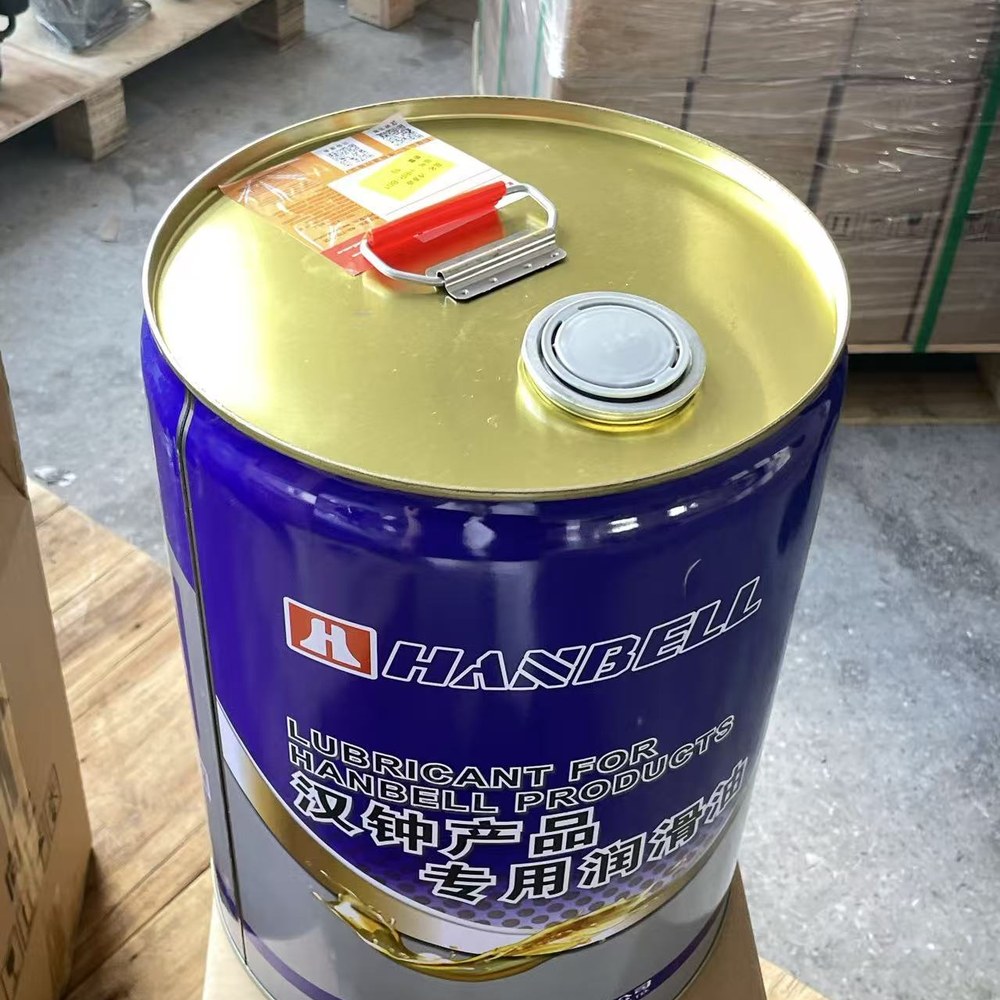
This one is a pricing story that turns on a detail most quotes leave out.
The plant priced BSE170 locally first and read our figure as the dearer of the two. Put side by side properly, the local price was ex-works: freight and the customs broker sat on top of it, and drums were bought one or two at a time whenever the store ran low. Our figure was CIF to their port, with shipping and export documents already inside it, and the batch certificate travelled with the shipment.
| Basis | Export clearance | Ocean freight and insurance | Import clearance and duty | Reads as the final cost |
|---|---|---|---|---|
| Local shelf, ex-works | Buyer | Buyer | Buyer | No |
| FOB | Seller | Buyer | Buyer | No |
| CIF to destination port | Seller | Seller | Buyer | Closer, still short of the factory gate |
Two quotes on different bases are not a price comparison. The only figure worth comparing is what the oil costs once it is standing in your store, and that number needs the freight, the broker and the clearance in it.
On that basis the plant moved to one order a year on 20 L packs and reported the oil line at about 62 % of the previous year's spend. The buying route changed; the machines did not. Two units still inside warranty stayed on the BITZER grade, and only the rest of the plant moved. The case is written up here.
The third order is the one buyers hesitate over longest, because a brand switch puts someone else's oil inside a machine they have to keep running.
The machine here was a BITZER CSH screw compressor on a degraded ISO VG 100 mineral charge. The team drained it, refilled with QISHANR 5GS, and reported back once it was in service. Their measurements, before and after:
| What they watched | Before | After |
|---|---|---|
| Cold start | Knocking | Quiet |
| Noise under load | Growing, audible | None abnormal at 90 % load |
| Oil pressure gauge | Fluctuating as the system loaded and unloaded | Steady, with fast pressure build on cold mornings |
| Vibration | Not recorded | Noticeably lower |
| Average consumption | Baseline | About 8 % lower across two months of meter readings |
The grade was matched to the nameplate: an ISO VG 100 mineral oil against the OEM specification, so the machine did not step up or down a viscosity grade. The change the team measured therefore sits between degraded oil and correct oil of the same grade, which is the comparison a retrofit of this kind should be judged on. The case, with the team's note in full, is here.
Retrofit claims are easy to make and hard to check. The test is whether the buyer can name what they measured and over what period. Cold-start noise and a gauge that stops moving are things a fitter notices in a week; an 8 % drop in consumption is a claim that needs a meter and two months, and that is what this one has.
Two months of readings taken after the change, against a baseline the team kept before it, is enough to report and not enough to credit the whole figure to the oil. Ambient conditions, load profile and condenser condition all move consumption on the same machine. What the number supports is the direction of the change and the fact that the team was watching the right instrument.
The documents travelled with the oil every time: certificates and a COA on the trial order, a batch certificate with the shipment on the annual order, an SGS report and SDS on the retrofit. In the retrofit the can also arrived sealed, which is the only way the batch record behind those documents means anything.
Only one of the three started from price, and that buyer's first comparison was built on a basis that could not be compared. The other two were removing a specific risk: whether a small order gets answered at all, and whether an unbranded oil would hold up in a machine they have to keep running. Each order was decided on the point the buyer was actually worried about, and in each case that point is written into the case file.
If you want the same three questions answered in one pass, send the compressor or unit model, the refrigerant, the oil in the machine now, the fill and quantity you will run, and the destination port. The grade check then goes against your documentation rather than against a brand name, and the price comes back on a basis you can compare.
For the third case in particular, decide before the order what you will measure afterwards. A quiet cold start and a steady gauge are enough to judge a mineral retrofit in the first month.
Yes. The trial order above ran at a single-pail scale and was handled with the certificates and COA issued. Trial volume does not change the grade check or the document packet.
Add what the local price leaves out: freight, the customs broker, and the clearance at your end. Then compare that landed figure with the CIF figure plus your own import costs. A drum price and a delivered container price are not the same number.
Warranty terms are set by the compressor maker, not by us. In the case above, the two units still inside warranty stayed on the original grade and only the out-of-warranty machines changed, which is the pattern to check against your own terms before ordering.
Send the model and the grade or part number on the drum. The mapping is on the HVACR lubrication selector matrix, and the confirmation that counts is the one issued in writing against your compressor documentation.
A technical data sheet and an SDS with the quotation, a COA per batch, and the certificate of origin and transport documents with the shipment. The bulk supply program page sets out the terms around them.
Copyright & Citation Notice. This article is original content published by Qishanr Lubricants (qishanrlubricants.com). Case details are taken from the three published case pages linked above; grade, pack and cost figures are those recorded in those cases. Quotation of up to 200 words is permitted with attribution and a link to this page. Reproduction in full requires written permission.